


Monthly Mailing June 2026
Venezuela earthquake appeal
We are deeply saddened by the tragic events affecting communities in Venezuela. In times like these as you well know, Lions come together in service and compassion to support those facing hardship and loss. We have had several requests already at HQ for how both members and public can help and The Lions Clubs International Foundation (LCIF) has launched an appeal to help provide urgently needed assistance.

Lions & Baby Life Line
an LCIF Endorsed Project
Saving Mothers and Babies – Wherever Birth Happens
You will hear a lot about Baby Lifeline and the Home Birth Bag and many of you will have seen these demonstrated at our various District and MD Conventions. The information below is sent with Council approval to give Clubs more information on the project.
Regards
Brigitte
Lions Clubs HQ
The Baby Life Line Midwife Home Birth Bag was created after training community midwives and paramedics together in managing emergencies.
Each bag is clearly organised, uses paramedic-style design and includes step-by-step emergency crib cards. Every bag contains the essential equipment needed to save a mother and baby's life.
In the Ukraine and in areas affected by disaster or war, where safe maternity services are no longer available, healthcare facilities are being targeted, forcing care into underground bunkers. Midwives must work with limited resources in extremely challenging conditions.
There are over 500 healthcare centres in Ukraine needing support - many not reached by larger aid organisations. 500 bags are needed for nationwide coverage for mothers and babies.
Each bag costs £1,000 in total - could your club help?
Donate via the LCIF Refugee Fund – Baby Lifeline Appeal
Give through your Club via your District Treasurer
Donations count towards MJF
For Individual donations that can be Gift Aided – Contact your District LCIF Coordinator
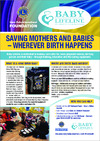
 Lifelines Poster Appeal Flyer with flag.pdf
Environment
Whilst driving 'round our lovely Island it is pleasing to see many Pollinator Patches in bloom on both Public and Private land.
Does your Club sponsor a Pollinator Patch?
Pollinators - revisited
With Summer now here maybe now is the time to revisit your garden and look again at the possibility of providing space in the garden for our pollinating insects- the bees, butterflies, moths and other insects that transfer pollen from one flower to another.
Without them we'd lose the colour of our wildflowers along the footpaths and gardens and much of our fruit and veg.
Over 70% of the foods we eat need a pollinating insect to do its job somewhere around the world. Some of life's essentials such as coffee and chocolate are entirely dependent on our flying friends!
Numbers of pollinators are way down maybe by as much as 50% this year due to the weather and other factors. So, we all need to do our bit to help. Not only do they help us grow food, but they are also food themselves for blue tits, robins and lots of other birds.
So, when thinking about what seeds, flowers and fruit to plant out plan to have a wild area in your garden this year. Nature knows best and will look after our pollinators better than we can.
The top six insects that are the best pollinators to be found in our gardens are:
- Bumblebees – they are social insects with queens and workers living in small underground nests. Their thick furry pile insulates them and keeps them active in all weathers.
- Wasps – are carnivorous and reduce bug numbers in our gardens. Adult wasps feed on nectar, so they are good pollinators. With over 100 varieties some are social, and some solitary bid did you know that most wasps are placid and unlikely to sting!
- Hoverflies – are often mistaken for Wasps and are completely harmless. Not only are they great pollinators but they are the gardener's friend as they eat aphids and other pests.
- Butterflies and Moths – With over 1,000 varieties when they drink flower nectar the transfer pollen to more flowers, helping cultivated food plants to reproduce. Some even travel up to the UK from the Mediterranean.
- Solitary Bees – nest singly, sometimes in loose communities. In earth banks or holes in wood. They are important pollinators of both wildflowers and our food.
- Honeybees – Beehives can house up to 60,000of these fascinating insects that give us honey and pollinate many of our flowers and food plants with Beekeepers giving them shelter and helping the colony survive from one year to the next.
What can you do to help protect and encourage any of the above?
Consider –
- Stop using pesticides, look for natural solutions.
- Create nesting habits – leave some bare earth, make compost heaps.
- Put up a bug hotel
- Grow a wide range of pollinator friendly plants – try to do that all year round
Some special days ahead for July
Bees' Needs Week 2026 runs from July 13 to July 19. Led by Defra (Department for Environment, Food and Rural Affairs), the campaign raises awareness about protecting pollinators and encourages the public and organizations to take simple, practical steps to help bees and other insects thrive.
Simple Actions You Can Take
In addition to the above list you can get involved by implementing the campaign's five core actions in your garden, window box, or local community:
- Grow nectar-rich plants: Add flowers, shrubs, and trees that bloom across different seasons.
- Let it grow wild: Designate a patch of your garden to grow naturally.
- Cut grass less often: Reduce mowing frequency to give wildflowers a chance to bloom.
- Protect nests: Leave natural insect nests and hibernation spots completely undisturbed.
- Avoid pesticides: Think carefully and try to eliminate pesticide use wherever possible.
I trust this has provided some food for thought and that either you or your Club will get involved.
Do you have an Environmental Project / Article that your Club would like to share. If so. Then please e-mail me.
Kind Regards
Paul Allaway
Membership Matters
1st Vice District Governor Elect, Mark Cooper will be delivering information about what it means to be a club officer, during Membership Matters on Wednesday 1st July at 7:30pm. Log in details will be sent shortly and are also at www.lions105sc.org.uk/members/cabinetresources.html
If you are unable to make that date, I am more than happy to arrange a convenient date/s via zoom for anyone who would like to find out more.
Please contact me via email
Sandra Manktelow - Immediate Past District Governor
Incoming Global Leadership Coordinator
Autumn Forum
I will be taking on the role of Leadership Chair as from July and it has been tasked to me to organise our Autumn Forum.
We want to build on last year's successful forum and so I am asking you to let me know what topics you would like to talk about/find out about so that I can start to put a programme together.
The date of the forum is Sunday 11th October and will take place at The Alton House Hotel.
I am also asking the Zone Chairs to promote Member Orientation sessions which are best delivered face to face with newer Lions so that they can find out more about our wonderful organisation. Two sessions have been run successfully in Zone F and the feedback has been positive – there were even Lions in attendance who had been longer in service than five years.
If you are interested in any of the above, please contact me via email
I look forward to hearing from you.
Warm regards
Sandra Manktelow
Immediate Past District Governor
Winter is Coming to Ukraine 4 Appeal

WICTU4 Newsletter 2026 June.pdf


